Introduction
Wound care is a multifaceted area that has actually amassed raising attention in recent years. Whether it's dealing with a basic abrasion or handling facility, chronic wounds, the principles of effective wound treatment are vital for making sure client safety and promoting healing. The value of specialized training for doctor can not be overstated, as it forms the structure upon which top quality treatment is developed. This short article will explore the numerous facets of wound care management, focusing on just how connecting concept with functional training can boost outcomes for patients.
Wound Care and Management: Bridging Theory and Method Through Training
In today's medical care atmosphere, the need for proficient professionals in injury care is on the surge. With a maturing populace and an increase in persistent problems like diabetes, recognizing the details of injury healing ends up being paramount. Wound care management requires not just understanding but likewise hands-on skills that can just be created with extensive training programs.
The Function of Wound Care Specialists
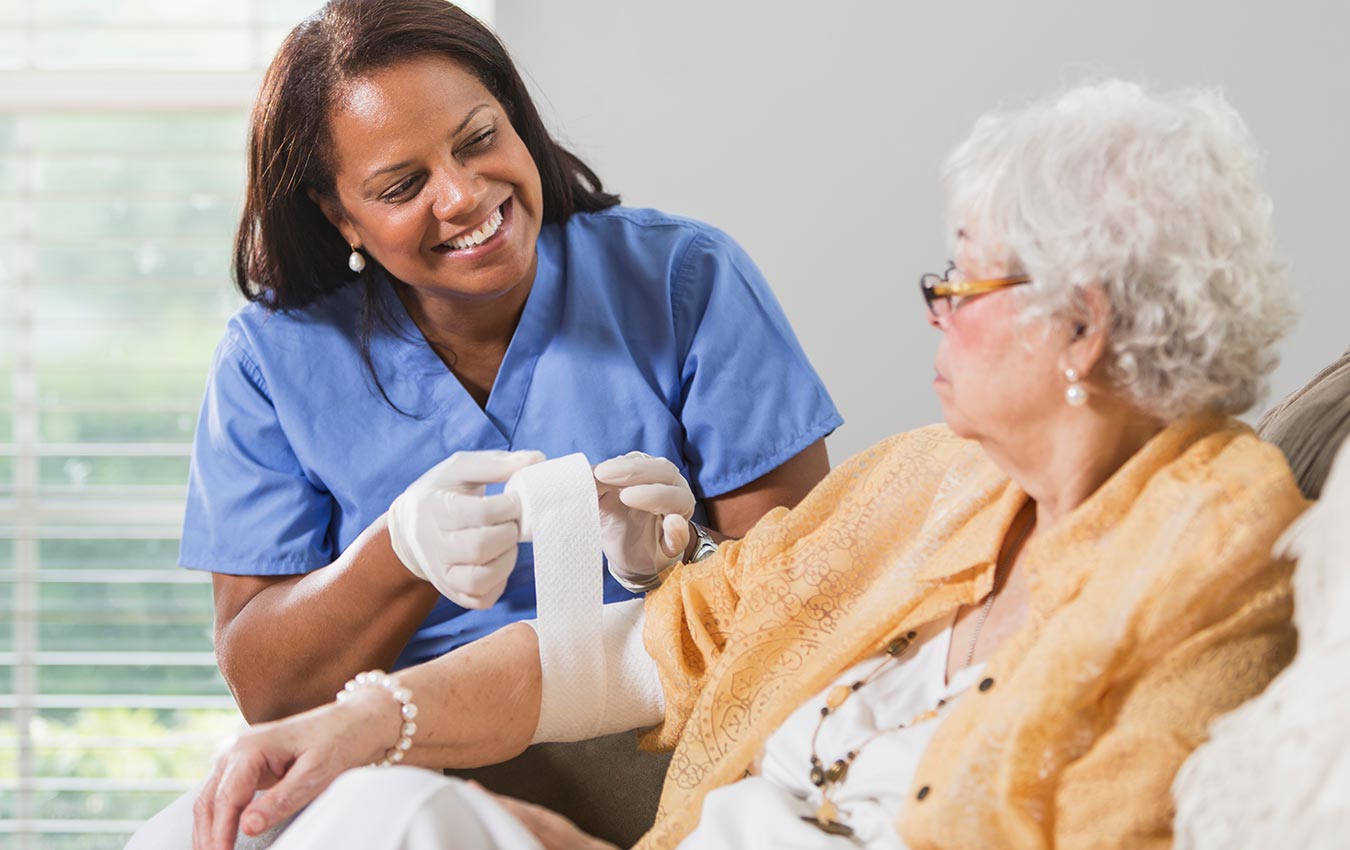
Wound care specialists are health care experts who focus on assessing, managing, and dealing with wounds. These specialists have innovative understanding in composition, physiology, and pathology pertaining to skin integrity and healing processes. Their role extends past plain treatment; they inform various other medical care personnel regarding best methods in wound management.
Importance of Injury Care Specialist Training
Training programs focused on developing experienced injury care specialists are essential. They offer extensive education and learning covering everything from standard wound care concepts to sophisticated methods for taking care of complicated cases. Such training makes sure that experts remain upgraded with evidence-based techniques-- ultimately bring about enhanced person outcomes.
Types of Wound Care Training Available
- Basic Injury Care Training Basic wound care training works as an intro to crucial ideas in wound monitoring. It covers topics such as kinds of injuries, preliminary assessment methods, infection control procedures, and clothing techniques. Wound Treatment Registered nurse Training Specializing even more right into nursing duties, this kind of training concentrates on integrating nursing principles with particular wound treatment practices. Registered nurses discover how to evaluate wounds efficiently while considering general patient health. Advanced Wound Care Training Courses For those seeking to specialize also further, advanced courses offer thorough understanding about intricate wounds and chronic injury administration strategies.
Elements of Efficient Injury Care Management
To successfully handle injuries, a number of core components have to be considered:
Assessment: Understanding the kind and intensity of a wound is crucial for figuring out the ideal treatment plan. Treatment Strategy Growth: Choosing ideal dressings or treatments based upon medical evidence. Patient Education and learning: Giving details concerning self-care practices to advertise healing. Ongoing Surveillance: Consistently assessing the wound's development aids determine any kind of issues early.Chronic Injury Care Management
Chronic injuries posture one-of-a-kind difficulties due to their long term nature. Conditions such as venous tension abscess or diabetic person foot ulcers require customized expertise in managing these intricate cases effectively.
Complex Wound Care Scenarios
Managing facility injuries usually involves multidisciplinary teams making up physicians, registered nurses, nutritionists, and physical therapists-- all functioning collaboratively towards common goals.
Nursing Wound Care Training: A Keystone of Patient Safety
Nursing plays a crucial role in patient-centered treatment; thus, ample training especially focused on nursing injury care is essential. Below's why:
- Comprehensive Abilities Development: Registered nurses equipped with specialized abilities can better evaluate individuals' needs. Enhanced Communication: Correct training advertises efficient communication among staff member concerning best practices. Improved Patient Results: Evidence reveals that skilled nurses contribute significantly to much better healing rates.
Wound Treatment Training Courses Overview
Many organizations use a selection obviously tailored for various levels of competence:
|Training course Kind|Period|Target Audience|| -------------------------------------|-----------------|--------------------------------|| Fundamental Wound Care|1 day|New Health Care Professionals|| Intermediate Wound Monitoring|2 days|Knowledgeable Nurses|| Advanced Complicated Injuries|3 days|Specialized Medical professionals|| Online Certification|Self-paced|All Health care Providers|
NDIS Wound Care: Fulfilling Distinct Needs
The National Handicap Insurance policy System (NDIS) uses financing for people requiring support with everyday activities-- including those needing specialized wound care services. Educated professionals play a crucial function in providing quality treatment customized to private needs under this scheme.
Why Select Expert Injury Treatment Training?
Investing time right into specialist training equates right into tangible benefits:
- Increases your employability within medical care settings. Enhances your capacity to give evidence-based person education. Improves profession satisfaction by empowering you with important skills.
FAQs About Wound Treatment Management
1. What does basic wound care training involve?
Basic wound care training commonly includes topics like types of wounds, evaluation methods, infection control methods, and dressing changes.

2. The length of time does it require to come to be a qualified wound treatment specialist?
The duration differs by program yet typically ranges from several weeks to months depending upon the depth and breadth of the course offered.
3. Are on-line programs offered for registered nurses curious about focusing on wound care?
Yes! Many organizations now offer online accreditations that permit adaptability for functioning professionals while acquiring specialized expertise in wound management.
4. What qualifications do I need to enlist in advanced injury treatment courses?
Requirements usually include a nursing level or equal medical care qualification together with some experience in direct client care settings.
5. Just how crucial is recurring education in preserving abilities as a wound treatment specialist?
Recurring education and learning is crucial due to continuous developments in medical research and innovation pertaining to reliable treatments and therapies.
6. Can I work as a community registered nurse without formalized training in chronic or intricate wounds?
While it's feasible to work without defined training especially focused on these locations, having specialized knowledge greatly enhances your abilities when providing high-quality patient-centered care.

Conclusion
As we wound care specialist training venture much deeper into a period specified by developments in medical care innovations along with evolving individual needs-- a robust framework surrounding reliable injury management becomes crucial. The importance placed on proper education using structured programs can not be underestimated; they offer not just as informative sessions yet additionally pave paths towards quality within medical practices entailing varied populations across various settings.
Through consistent efforts toward connecting concept with technique-- particularly through specialized trainings like those used for registered nurses-- damaged patients receive alternative assistance tailored specifically around their requirements while promoting optimum recuperation journeys free from unneeded complications!
By concentrating on continual improvement with education and learning around "Wound Care and Management: Bridging Concept and Technique Through Training," we can jointly foster settings where both clients thrive under capable hands-- and professionals remain prepared against emerging difficulties ahead!